
Bhojpur Temple Bhopal Entry Fee
- No Entry Fee
Bhojpur Temple Bhopal Phone
09777 753265
Rating:  | 4/5 stars
Based on total 71 reviews
Bhojpur Temple Bhopal Address: Bhojpur Temple, Bhojpur Rd, Bhojpur, Bhopal, Madhya Pradesh, 464551, India
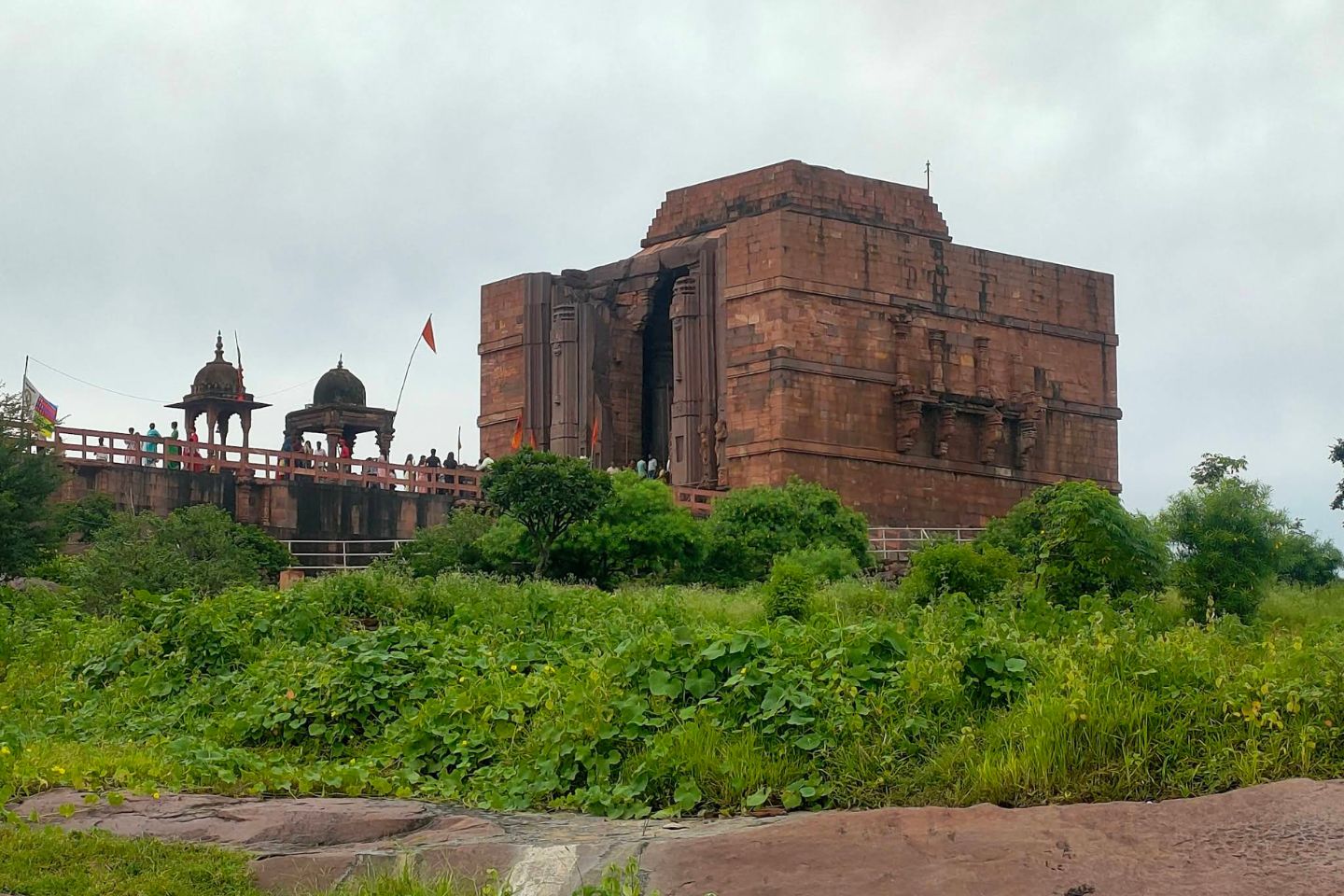
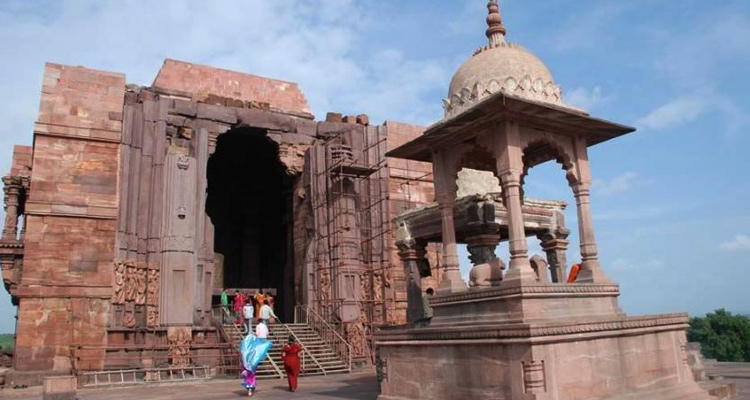
Bhojeshwar Temple is an unfinished 11th-century Shiva temple in Bhojpur, near Bhopal. Its enormous Shivling stands on a high stone pedestal, surrounded by four massive pillars. The broad, carved doorway gives you a sense of its scale even before you step inside.
Also known as Bhojeshwar Mahadev Temple or Bhojpur Shiva Temple, it attracts devotees and architecture lovers alike. You can come for darshan, admire the stone carvings and enjoy views towards the Betwa River. And if you’re curious about how such a large temple was built, look for the construction drawings etched into the nearby rocks.
Where is Bhojeshwar Temple?
Bhojeshwar Temple is in Bhojpur village in Madhya Pradesh’s Raisen district, about 28 km from Bhopal. It stands on elevated rocky ground overlooking the Betwa and the surrounding countryside.
You can visit it on a half-day outing from Bhopal or combine it with the Bhimbetka rock shelters for a full day of sightseeing.
Image Gallery of Bhojpur Temple Bhopal
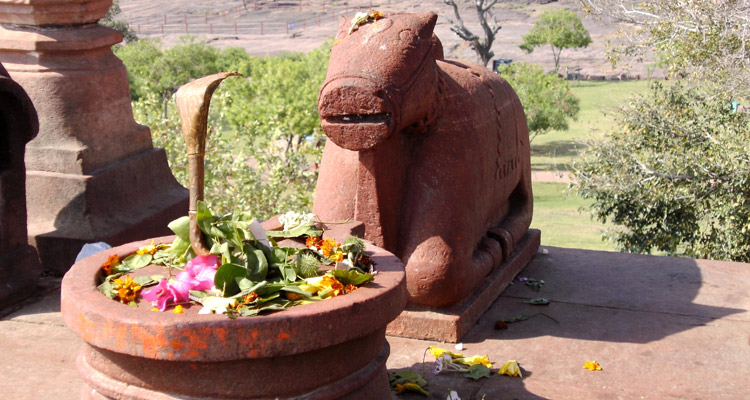
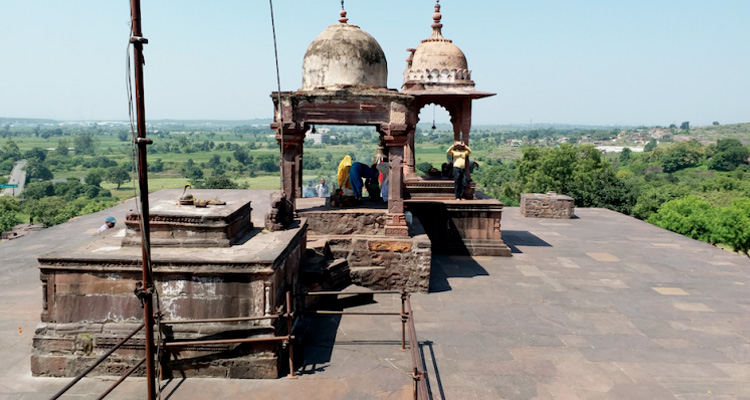
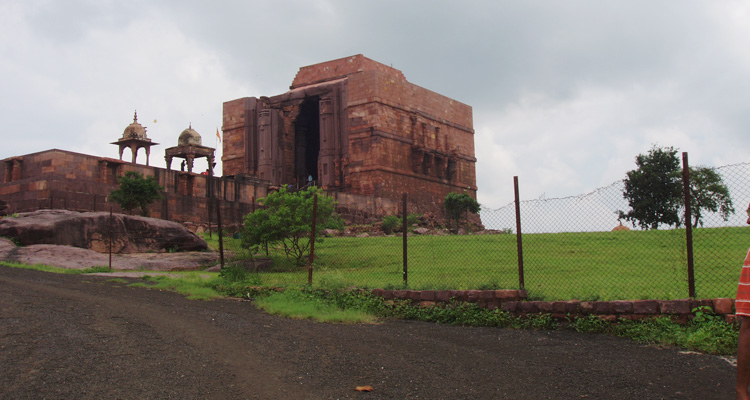
History of Bhojeshwar Temple
The temple was built under the patronage of Raja Bhoj, the Paramara ruler, in the 11th century. Construction stopped before it could be completed, and the reason remains unknown.
Local legends also link the temple to the Pandavas and believe that Bhima single-handedly built it overnight during the Pandavas' 12-year exile. These stories are part of Bhojpur’s folklore.
Today, the Archaeological Survey of India looks after the temple’s conservation. Bhojeshwar was added to India’s UNESCO Tentative List in February 2024, a step towards possible World Heritage recognition. It isn’t an inscribed World Heritage Site.
Architecture of Bhojeshwar Temple
The Shivling is the temple’s most striking feature. Carved from a single stone, it measures approximately 2.3 metres in height and 5.4 metres in circumference. Its high pedestal makes it appear even more imposing inside the shrine.
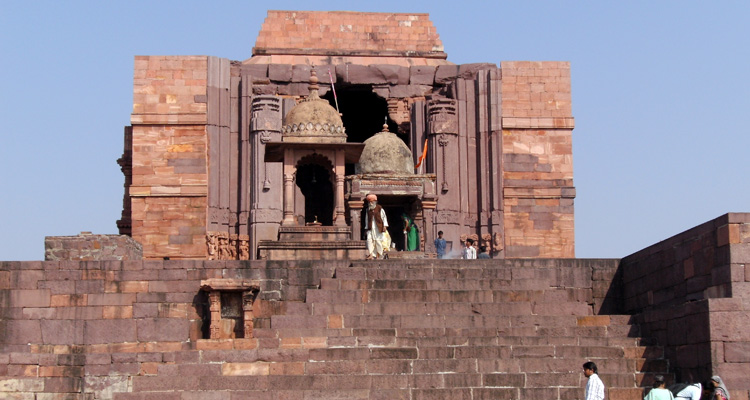
After taking in the main shrine, spend some time looking at the doorway and pillars. Their carvings stand out against the large blocks of stone and plain walls. Outside, you can also see projecting, balcony-like features on the other three sides.
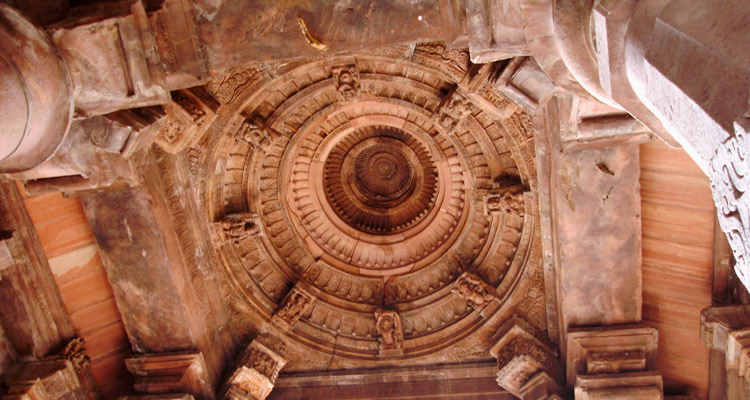
The temple has no completed entrance hall or the familiar tall, curved spire seen at many other shrines. Part of the ceiling is a modern protective addition installed during conservation, so what you see overhead isn’t entirely medieval.
Things to do at Bhojeshwar Temple
1. Offer prayers at the Shiva shrine
Bhojeshwar remains an active place of worship. You can offer prayers before the towering Shivling and spend a little time admiring the spacious interior.
2. Explore the temple’s construction remains
The drawings carved into the surrounding rocks are among Bhojeshwar’s most interesting sights. They show plans for doorways, pillars and other parts of the temple. Looking between these outlines and the building nearby helps you picture what the builders intended.
You can also see unused carved stones and remains of the ramp used to lift heavy blocks during construction.
3. Enjoy the views around the temple
Step outside for views towards the Betwa River and across the countryside. The open setting gives you room to appreciate the temple as a whole after looking closely at its carvings.
The wider area also has remains of old dams built to create an artificial lake. The lake is long gone, but the surviving stonework adds another detail to Bhojpur’s history.
Morning and late-afternoon light are good for photographing the temple’s exterior. Allow time to walk around while there’s still daylight.
4. Visit the interpretation centre
The small interpretation centre introduces Raja Bhoj and the temple’s architecture through displays. It’s worth a stop if the unfinished building and rock drawings have left you wanting to know more.
5. Join the festival celebrations
Maha Shivratri draws large numbers of devotees to Bhojeshwar. Shravan Mondays are also busy days for worship. Visit during these occasions if you’d like to experience the temple amid a gathering of devotees; allow extra time for queues, parking.
The Bhojpur Utsav cultural programme is held around Maha Shivratri.. If you’d prefer an unhurried look at the architecture, choose an ordinary weekday outside festival periods.
Bhojeshwar Temple timings and entry fee
Bhojeshwar temple is open daily from 6 am to 7 pm. Plan your visit early in the morning for lesser crowds.
General temple entry is free. Parking, offerings and any rituals you arrange are separate expenses.
Best time to visit Bhojeshwar Temple
October to March is a comfortable time to explore Bhojeshwar. The cooler weather makes walking around the exposed stone structure more pleasant.
Mornings are a good choice for exploring the shrine and its surroundings. Late afternoons offer softer light for photographs, while summer afternoons can leave the stone floors hot under bare feet. The monsoon brings greener views, but take care on wet stone and muddy paths.
Time to explore Bhojeshwar Temple
Allow around 60–90 minutes for the shrine, exterior and accessible construction remains. If you’re stopping mainly for darshan, 30–45 minutes may be enough on a day without long queues.
Architecture enthusiasts can keep up to two hours aside, including a visit to the interpretation centre if it’s open. Add travel time and festival queues separately.
Things to keep in mind when visiting Bhojeshwar Temple
- Prepare for steps and uneven ground. The approach and high steps can be difficult for visitors with limited mobility. If you need step-free access, check the route to both the temple platform and the shrine; access to the grounds may not extend all the way inside.
- Dress respectfully and remove footwear where required. Shoes that are easy to slip off make the visit simpler.
- Carry drinking water and sun protection. Shade is limited in parts of the site. Shops near the approach sell refreshments and puja supplies.
- Plan toilet stops if needed. Check the availability of suitable facilities before travelling, particularly if anyone in your group needs an accessible toilet.
- Keep food tucked away. Monkeys may snatch snacks, prasad and offer packets. Keep bags closed and children close around them.
- Ask before photographing inside or during rituals. Follow the instructions at the shrine and respect worshippers’ privacy.
Places to visit near Bhojeshwar Temple
Bhimbetka rock shelters – Around 30 km from Bhojpur, the rock shelters are a worthwhile addition for anyone interested in history. Set aside a full day for both places, including travel.
Manua Bhan Ki Tekri Jain temple – This nearby temple is an easy option for extending a religious visit.
Ashapuri temple remains – These ruins offer more to explore if you enjoy old temples and stonework.
How to reach Bhojeshwar Temple from Bhopal
Bhopal is a convenient base for visiting Bhojeshwar, about 28 km away. You can arrive in the city through Raja Bhoj Airport or Bhopal Junction and continue by road. Mandideep is a nearer rail option if a suitable train serves your route, but you’ll still need transport to the temple.
By car or taxi – A private vehicle or taxi is convenient, especially if you’re visiting Bhimbetka on the same day.
By public transport – Board a regular public or local bus from Bhopal Junction and get down at 11-mile point. From there hire an auto rickshaw for Bhojpur.
