
Sanchi Stupa Bhopal Entry Fee
- 40 per person for Indians
- 600 per person for Foreigners
- 100 for evening light-and-sound show per person for Indians
- 300 for evening light-and-sound show per person for Foreigners
Sanchi Stupa Bhopal Phone
07805 006888
07552 746827
Rating:  | 4/5 stars
Based on total 71 reviews
Sanchi Stupa Bhopal Address: Sanchi, Bhopal, Madhya Pradesh, 464661, India
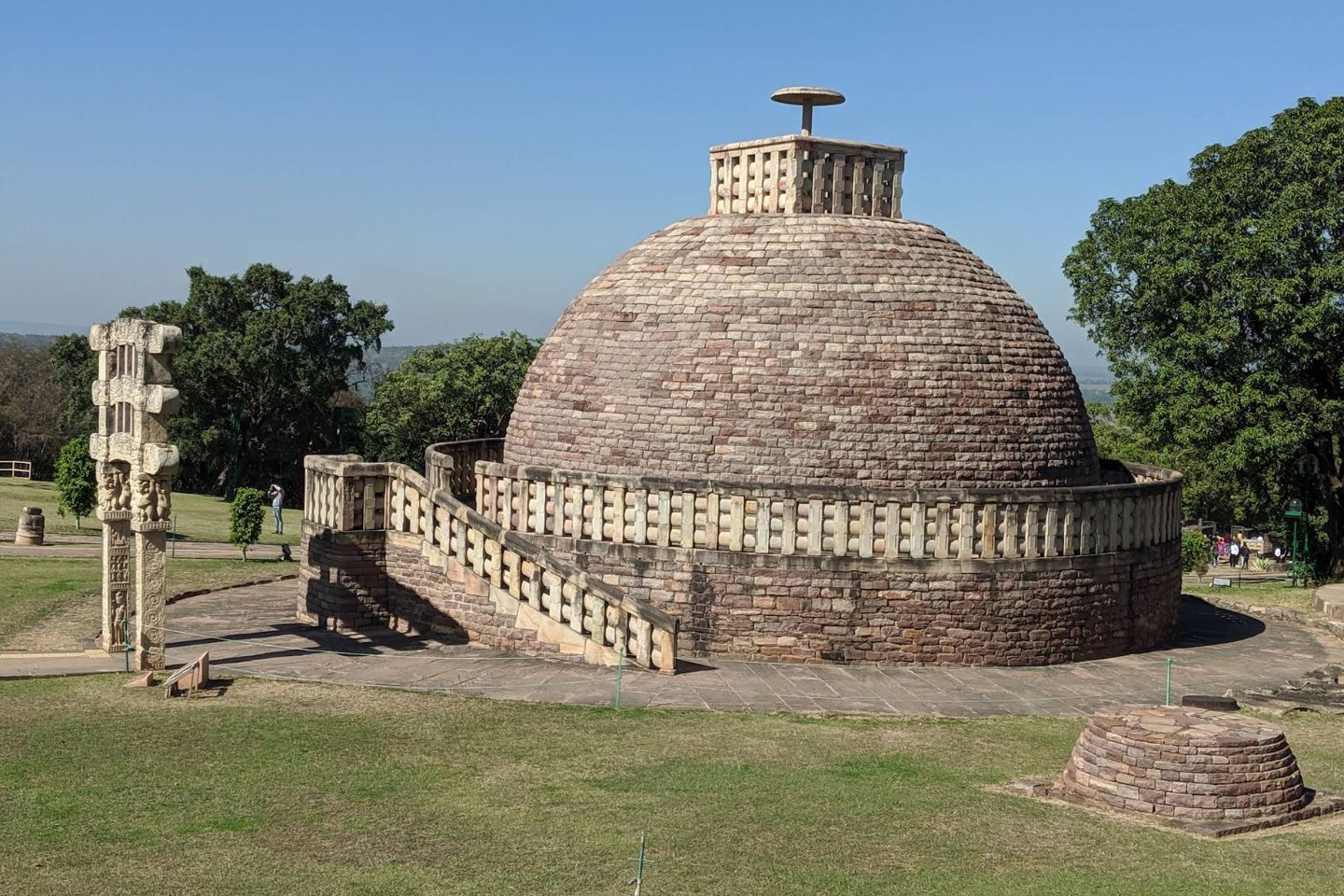
Sanchi Stupa is known for its broad stone dome and four beautifully carved gateways. Set on a hill in Madhya Pradesh, it’s surrounded by smaller stupas, temple remains and the ruins of monasteries. You can spend hours exploring the stone carvings, then pause among the lawns and trees to enjoy the views.
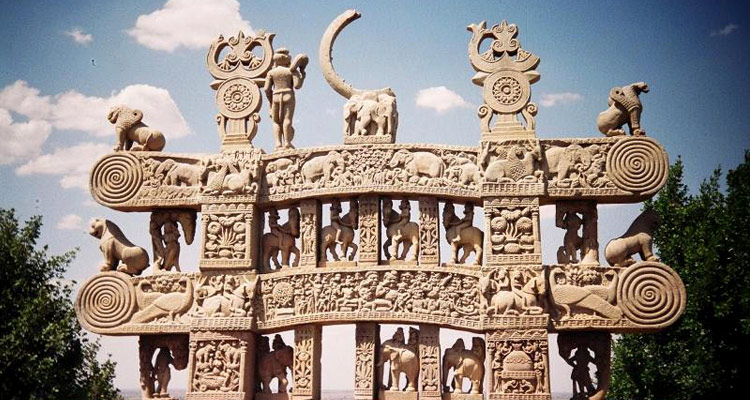
The Great Stupa is the main attraction, but take your time at its gateways. Elephants, horses and processions fill the stone panels, alongside stories from the Buddha’s life. A little explanation makes these carvings much more interesting to explore.
Sanchi is a rewarding outing for anyone interested in history, architecture or Buddhism. And with the archaeological museum near the foot of the hill, there’s enough here for an unhurried half-day visit.
Where is Sanchi Stupa?
Sanchi Stupa is in Sanchi town in Raisen district, about 50 km northeast of Bhopal. Vidisha is nearby, so you can include it in a day trip from Bhopal.
The main monuments stand on the hilltop, with smaller remains down the hillside. The archaeological museum is near the foot of the hill. Visit it before or after exploring the monuments, allowing time to travel between the two.
Image Gallery of Sanchi Stupa Bhopal
History of Sanchi Stupa
Sanchi’s foundation is attributed to Emperor Ashoka in the third century BCE. The earliest stupa was built in brick. Later generations enlarged it, added stone facing and railings, and built more religious structures around it.
The carved gateways were added around the turn of the Common Era. Shunga-period construction, gateway carving associated with the Satavahanas and Gupta-period temples all contributed to the complex. So, the Sanchi you see today was built over several centuries.
Ashoka’s wife Devi is traditionally associated with nearby Vidisha. There’s no established evidence that the historical Buddha visited Sanchi, but it became an important Buddhist religious centre. Merchants, monks and nuns also contributed to its decoration, alongside royal patrons.
The site entered colonial archaeological records in 1818. Substantial restoration took place under John Marshall between 1912 and 1919. In 1989, the group of monuments became a UNESCO World Heritage Site, listed as Buddhist Monuments at Sanchi.
Architecture of the Great Stupa
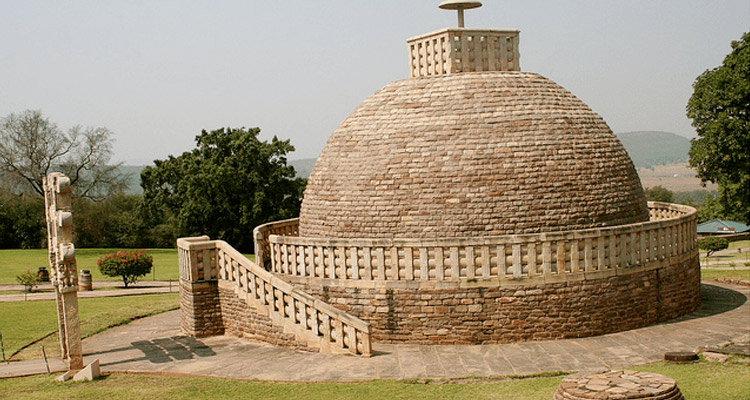
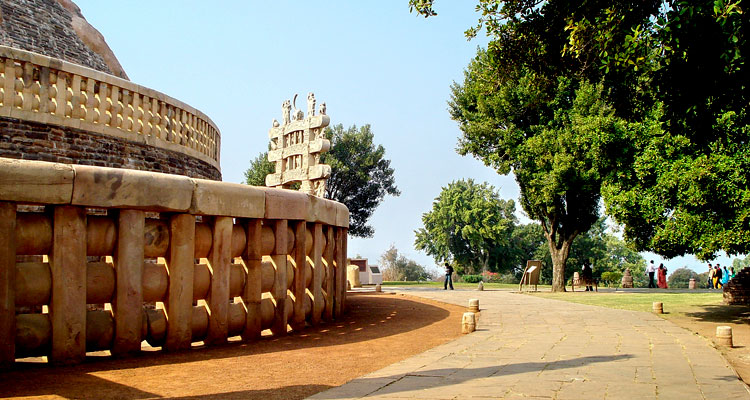
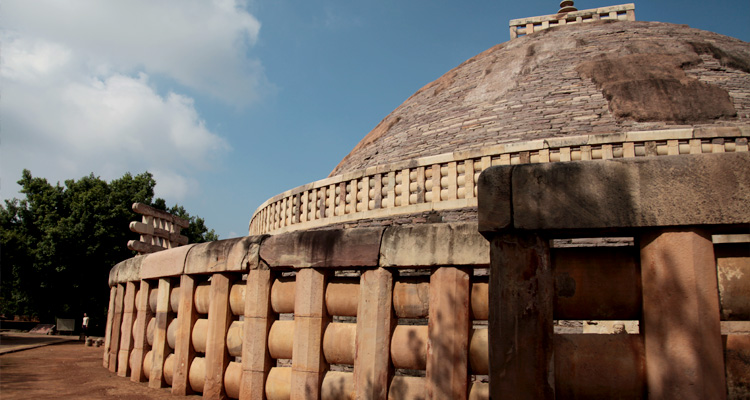
The Great Stupa, or Stupa 1, has a hemispherical dome about 36.6 metres across and 16.5 metres high. Stone railings surround it, with four toranas (ceremonial gateways) marking the approaches. Each gateway has two upright supports and three horizontal crosspieces, all decorated with carvings.
The simple dome makes the elaborate gateways stand out. Look at their construction, too: the posts and crosspieces reproduce forms associated with wooden structures, carved here in stone.
The paths around the dome were built for pradakshina, the devotional practice of walking around a sacred monument. You explore the stupa from the outside; there’s no visitor hall inside the dome.
Things to do at Sanchi Stupa
1. Admire the gateway carvings
Start with the toranas, looking at the pillars as well as the crosspieces. Move around each gateway to see its different sides. Among the elephants, horses, birds and human figures, you’ll find scenes that are easy to miss in a quick photograph.
At the eastern gateway, look for the Great Departure, which depicts the prince leaving palace life. The horse and parasol appear repeatedly to show different moments in the story.
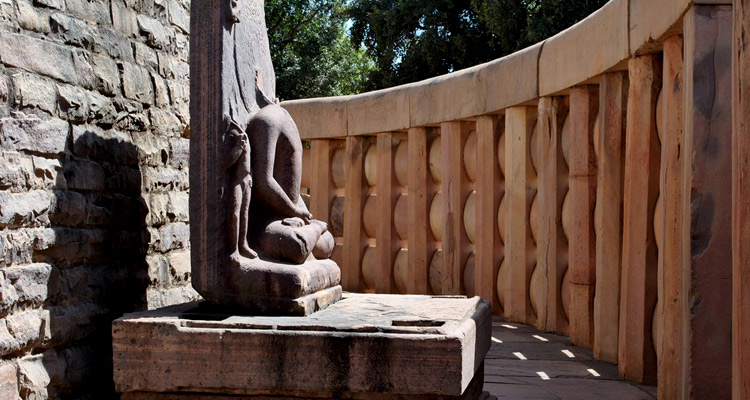
You won’t always find a human figure representing the Buddha. Early Buddhist artists often used a tree, wheel, footprints or an empty throne to indicate his presence. The carvings also include Jataka tales, stories of his previous lives as a bodhisattva.
A guide can help you follow these stories. Ask for explanations of a few panels, then spend some time exploring on your own. If you’re visiting with children, choose a story and help them spot its animals in the carvings.
2. Walk around the Great Stupa
Follow the designated path around the dome for a closer look at the stone railings and gateways. As you walk, you can see the stupa from different angles and look out towards the surrounding monuments.
Where the raised path is open, you can take the steps up for another view. If you’d prefer fewer steps, spend your time around the lower circuit and gateways.
3. Visit Stupa 3 and the nearby temples
Stupa 3 has a smaller dome and a single carved gateway. It once enshrined relics associated with Sariputta and Moggallana, two principal disciples of the Buddha. Those relics aren’t an everyday viewing attraction inside the stupa.
Then, visit Temples 17 and 18. Temple 17 is a small Gupta-period stone temple from the early fifth century. It’s easy to overlook beside the larger monuments, but worth stopping at to compare its form with the rounded stupas.
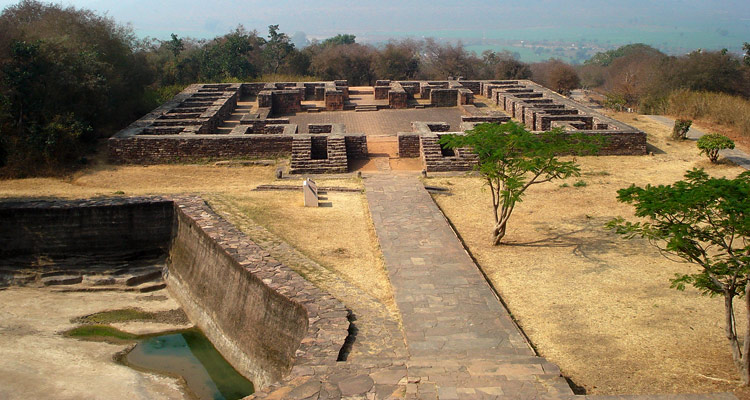
Temple 18 has the surviving columns of a prayer hall on a raised platform facing the Great Stupa’s southern gateway. These temple remains help you picture the different places where people worshipped at Sanchi.
4. Explore the hillside monuments
If you enjoy looking closely at stonework, continue down the hillside to Stupa 2. Its surrounding railing has carved medallions to examine. Allow for the climb back when deciding whether to add this walk.
You can also explore Monastery 51, where monks’ cells surround a courtyard. These remains give you a glimpse of the living quarters that stood alongside Sanchi’s places of worship.
5. Visit the archaeological museum
Before leaving the hilltop, look for the Ashokan pillar remains near the southern gateway. The pillar’s lion capital is in the archaeological museum’s collection. Seeing the two helps you picture the original monument. This is Sanchi’s own capital; India’s State Emblem is based on the Lion Capital at Sarnath.
The museum has sculptures and excavated objects from Sanchi and nearby sites, dating from the Mauryan period into the medieval era. It’s worth including if you want to learn more about the buildings and carvings you’ve seen on the hill.
6. Enjoy the gardens and hilltop views
Apart from the monuments, Sanchi has lawns, trees and views over fields, woodland and nearby settlements. Take a break between the stupas to enjoy the surroundings. The shaded resting places are welcome after walking across the open grounds.
Sanchi remains a Buddhist pilgrimage destination, and you may find people praying or walking around the monuments. Give worshippers space and keep conversations quiet around them.
Best time to visit Sanchi Stupa
October to March is a good time to visit Sanchi. Come in the morning for more comfortable walking, particularly if you want to explore the hillside monuments. Even during these months, the open paths and stone surfaces can get hot by midday.
The monsoon brings greener surroundings, but rain can interrupt your walk and make stone paths slippery. Late afternoon offers softer light for viewing the monuments; arrive with enough time to explore before closing.
Time to explore Sanchi Stupa
Allow about two to three hours for the monuments and another 45–60 minutes for the museum, plus time to move between them. Half a day at Sanchi works well for a first visit. Add your travel time from Bhopal separately.
For a shorter visit of 60–90 minutes, focus on the Great Stupa, its gateways and nearby Stupa 3. With more time, add Temples 17 and 18, followed by Stupa 2 and the monastic remains. Fit the museum around its opening hours.
If you’re keen on Buddhist art or history, you can spend most of a day here. Leave time to linger at the carvings instead of packing the day with nearby stops.
Sanchi Stupa timings and entry tickets
The Sanchi Stupa complex is open for visitors from 8:00 am to 7:00 pm every day, and monday is a holiday. However, the museum inside the complex is not open on Fridays. The entry fee is Rs. 40 for Indians and Rs 600 for foreign tourists.
You can use the ASI ticketing portal for online booking. Download your ticket before arriving, as mobile reception can be unreliable. If buying at the counter, locate it before heading uphill to avoid a return trip.
For the evening light-and-sound programme from 7:30 PM to 8:05 PM, the ticket costs Rs.100 for Indians and Rs. 300 for foreigners and needs to be purchased at the venue counter. If you’re travelling for the Chethiyagiri Vihara relic-display celebration, plan around the announced festival dates.
Things to keep in mind when visiting Sanchi
- Wear comfortable walking shoes and bring sun protection. Arrange drinking water before starting, and ask at the entrance about bottle and bag rules.
- Plan a meal in Sanchi town or near the foot of the hill. Food outlets inside the grounds aren’t dependable enough to plan lunch around.
- If you need step-free access, check vehicle drop-off, the route to the Great Stupa’s lower circuit, museum entry and accessible toilets in advance. The raised circuit and hillside monuments involve steps or slopes.
- Stay on designated paths and avoid touching or climbing the carvings.
How to reach Sanchi Stupa
By car or taxi – Sanchi is about 50 km from Bhopal. Allow roughly one to one-and-a-half hours each way, with extra time for city traffic. Arrange the return journey when booking, especially if you’re including the museum and nearby attractions. Ask about vehicle access towards the upper entrance if you want to reduce the initial uphill walk.
By train – Sanchi has a railway station, while Bhopal and Vidisha offer alternative rail connections.
By bus – Sanchi has a bus stand in town. Ample buses are available from Bhopal bus station.
By air – Fly to Bhopal and continue to Sanchi by road. Allow time for the airport transfer as well as sightseeing.
Places to visit near Sanchi Stupa
Udayagiri Caves and Vidisha are good additions to a Sanchi day trip. At Udayagiri, you can see rock-cut religious sculptures after exploring Sanchi’s stupas and temples. Leave enough time at Sanchi for the museum and gateways before heading out.
For more Buddhist monuments, consider Satdhara and Sonari, with local advice on their approach routes. Bhimbetka is better kept for another outing from Bhopal, giving you time to enjoy both places without rushing.
