
Indira Gandhi Rashtriya Manav Sangrahalaya / National Museum of Mankind Bhopal Entry Fee
- 50 per person
- 25 Concessional Charges for Students and Groups
- Entry of the children age below 12 years is Free
Note:
Visitors and for Students on Production of Identity Cards
Indira Gandhi Rashtriya Manav Sangrahalaya / National Museum of Mankind Bhopal Phone
07552 661458
Rating:  | 4/5 stars
Based on total 91 reviews
Indira Gandhi Rashtriya Manav Sangrahalaya / National Museum of Mankind Bhopal Address: Lake View Road, next to RCE campus, Shymala Hills, Bhopal, Madhya Pradesh, 462013, India
Bhopal Tour Packages
Indira Gandhi Rashtriya Manav Sangrahalaya / National Museum of Mankind Bhopal Timings
| Day | Timing |
|---|---|
| Monday | Closed / Holiday |
| Tuesday | 11:00 am – 6:30 pm (Mar - Aug) 10:00 am – 5:30 pm (Sep - Feb) |
| Wednesday | 11:00 am – 6:30 pm (Mar - Aug) 10:00 am – 5:30 pm (Sep - Feb) |
| Thursday | 11:00 am – 6:30 pm (Mar - Aug) 10:00 am – 5:30 pm (Sep - Feb) |
| Friday | 11:00 am – 6:30 pm (Mar - Aug) 10:00 am – 5:30 pm (Sep - Feb) |
| Saturday | 11:00 am – 6:30 pm (Mar - Aug) 10:00 am – 5:30 pm (Sep - Feb) |
| Sunday | 11:00 am – 6:30 pm (Mar - Aug) 10:00 am – 5:30 pm (Sep - Feb) |
Indira Gandhi Rashtriya Manav Sangrahalaya in Bhopal explores the lives and traditions of communities across India. Spread across about 200 acres on Shamla Hills, it brings together full-size traditional houses, village settings and indoor galleries on human evolution and culture.
Also known as the National Museum of Humankind or Museum of Mankind, the museum connects everyday objects with the places and people they belong to. You can explore desert homes decorated with mirror work, admire wooden houses from Kerala and discover the tools used to lift water or process grain. Many outdoor exhibits have been built by craftspeople from the communities they represent.
It’s an absorbing place for architecture enthusiasts, students and anyone curious about folk traditions. Families can also enjoy exploring the houses and everyday technologies together. With extensive grounds and several indoor collections, it’s worth setting aside a good part of the day.
Where is Indira Gandhi Rashtriya Manav Sangrahalaya?
The museum is on Shamla Hills near Upper Lake in Bhopal. Greenery, rocky slopes and views towards the lake surround its exhibition areas, giving you space to enjoy a walk between the displays.
One entrance is near the Regional Institute of Education and Demonstration School. Another is on the Lake View Road side towards Van Vihar. Your choice of entrance affects the route through the grounds, so check which gate suits your visit before arranging a drop-off.
History of Indira Gandhi Rashtriya Manav Sangrahalaya
The museum began in New Delhi in 1977 as the National Museum of Man under the Anthropological Survey of India. It later developed its campus in Bhopal and received its present name in 1993\. It functions under the Ministry of Culture, Government of India.
Community participation has shaped the museum’s approach. Houses, household objects and craft traditions are presented together, showing how people build their homes and adapt to different surroundings. The indoor complex, Veethi Sankul, opened in 2005, adding galleries to the outdoor exhibitions.
Image Gallery of Indira Gandhi Rashtriya Manav Sangrahalaya / National Museum of Mankind Bhopal
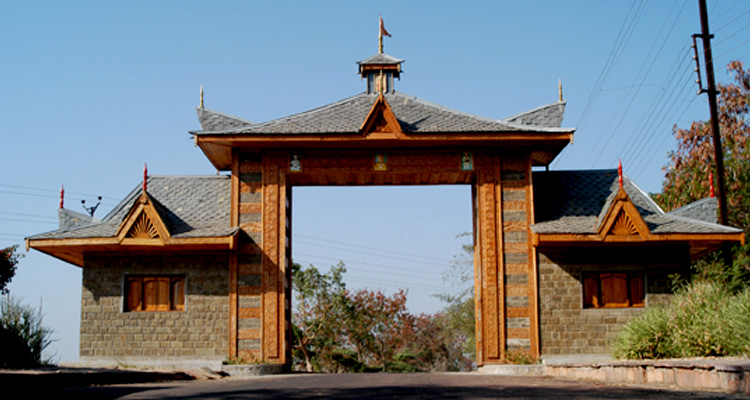
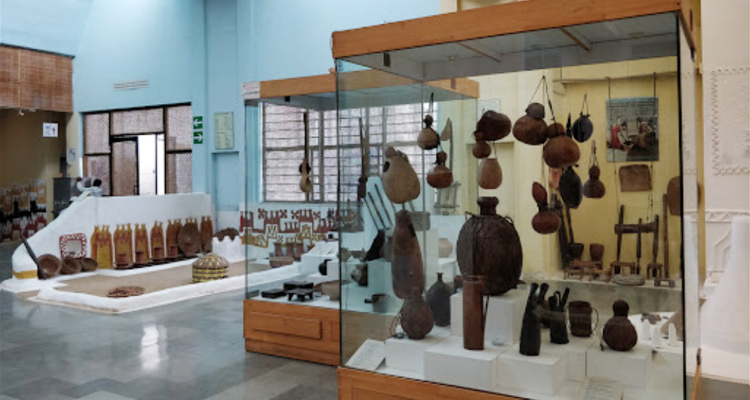
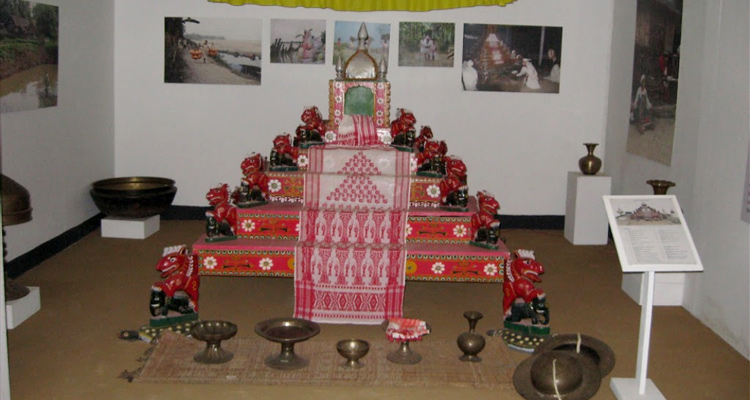
Things to do at Indira Gandhi Rashtriya Manav Sangrahalaya
1. Exploring traditional homes and village settings
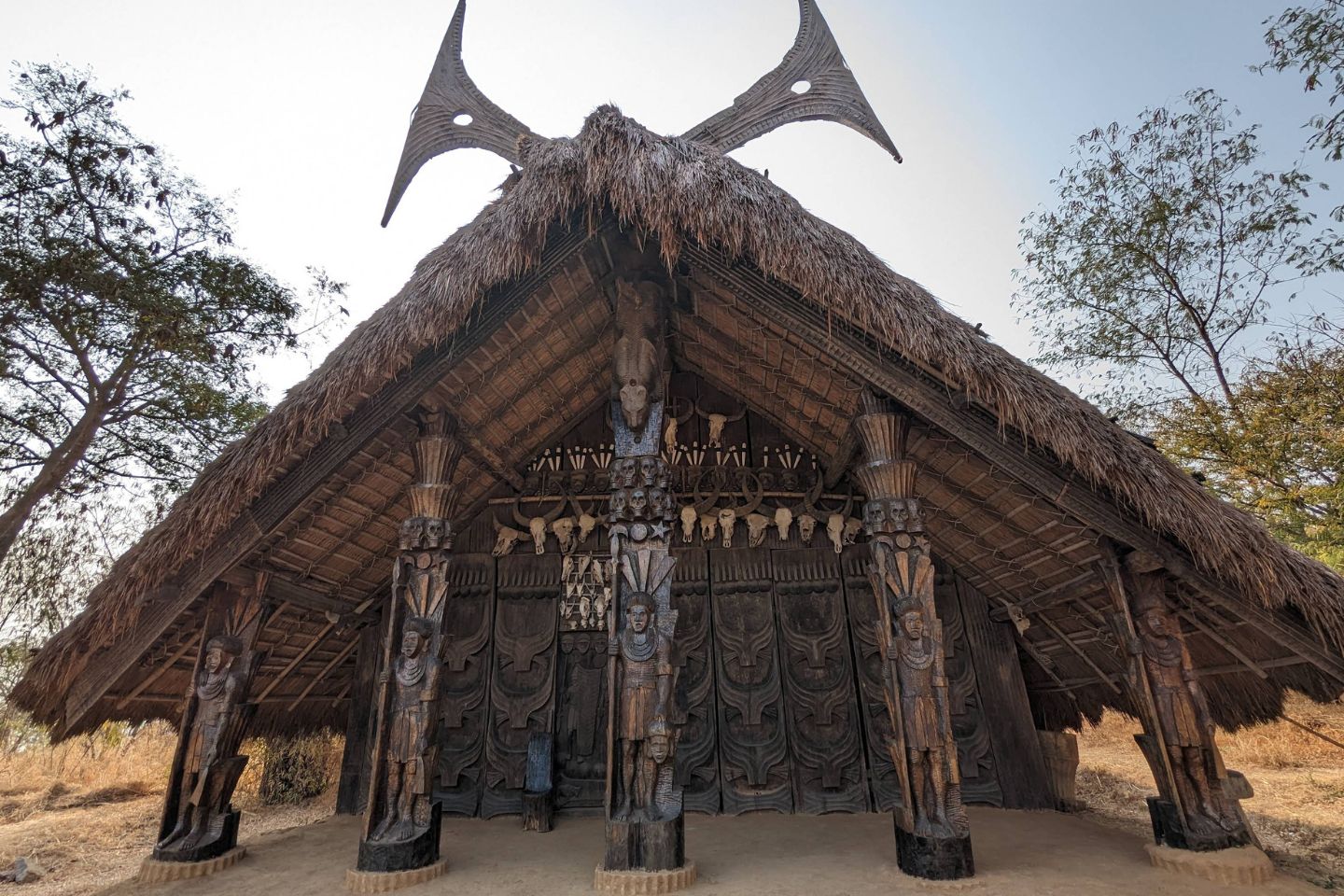
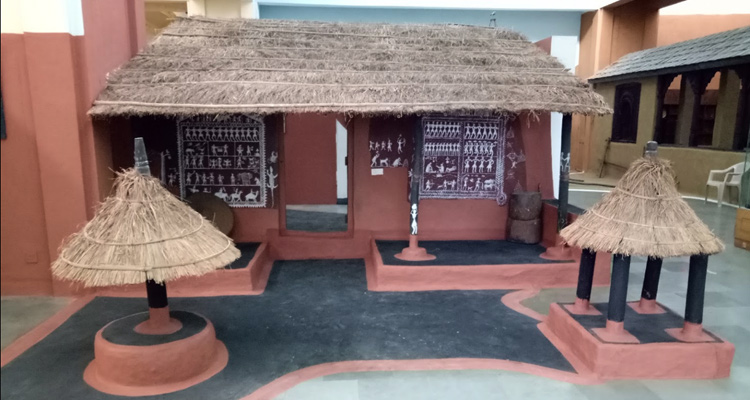
The full-size dwellings are among the museum’s main attractions. Houses from Himalayan, northeastern, desert and coastal regions introduce you to different building materials and ways of living. Look closely at their roofs, decorated walls and spaces for cooking and storage. Even an ordinary household corner can tell you something about life in that region.
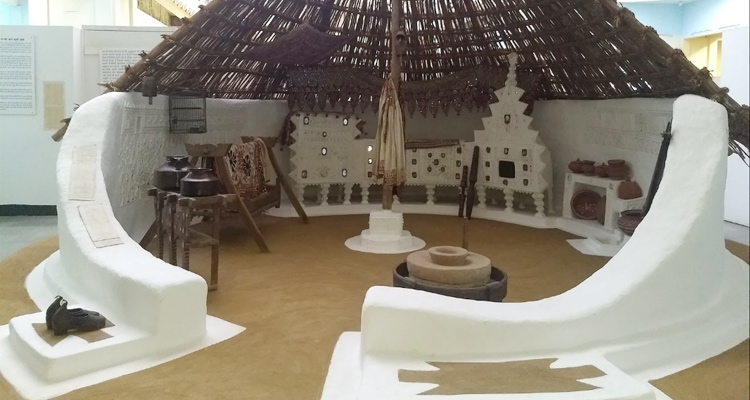
In the Desert Village, you can see bhungas (rounded mud houses associated with Kutch) with decorative clay and mirror work. A yellow sandstone dwelling represents Rajasthan’s building traditions. Then, the Coastal Village brings together wooden houses from Kerala and a long snake boat, connecting the displays with life around water.
The homes are spread across several clusters. Exploring a few in detail gives you time to appreciate their construction and interiors without rushing between every exhibit.
2. Visiting the galleries at Veethi Sankul
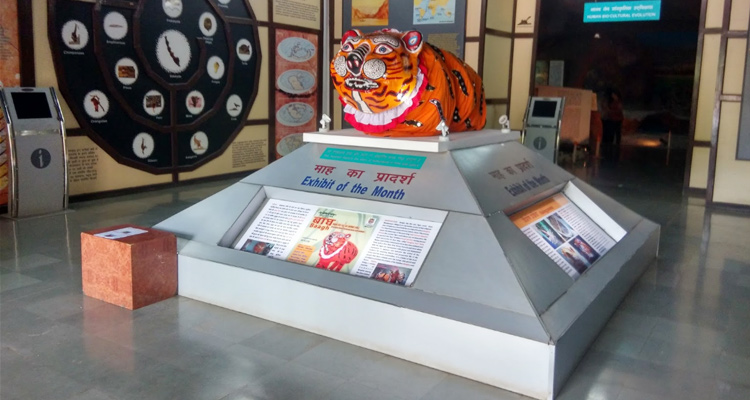
Veethi Sankul has substantial collections of its own. Models and explanations introduce human evolution and prehistoric life, while cultural displays explore the clothing, tools and traditions of communities across India.
Masks, musical instruments, jewellery and textiles are among the objects you can examine here. Other displays focus on northeastern India and island communities. Paintings, ritual objects and household utensils help explain how art and belief are connected with everyday activities. The Bhopal Gallery adds a local perspective through photographs and paintings relating to the city and its rulers.
Allow around two hours for the indoor sections if you enjoy reading the explanations. With younger children, you can follow their interest in particular masks, instruments or dwelling displays and build a shorter visit around those.
3. Discovering traditional tools and technologies
The Traditional Technology Park introduces the practical knowledge behind everyday work. Water-lifting devices, grain-husking equipment, oil presses and sugarcane crushers show how communities have used available materials to meet their needs.
It’s an interesting stop for those curious about how things work. Following the movement of a device helps you understand the effort and ingenuity involved in a familiar task. These are museum displays, though, so ask before touching or trying any equipment.
4. Following folk stories and traditions
The Mythological Trail presents community stories through sculptures, paintings and explanatory panels. Elsewhere, sacred groves and ritual displays explore the relationship between beliefs and the natural world.
Aiyanaar Kovil is a distinctive recreation of a Tamil village shrine, featuring large terracotta horses and other figures. Aiyanaar is worshipped as a guardian deity in the traditions represented here. The accompanying explanations give the figures context, helping you understand their place in worship and village life.
5. Exploring pottery traditions at Kumharpara
Kumharpara brings together ceramic displays and traditional pottery settings. It’s a chance to look at the craft behind vessels and figures used in homes and rituals, adding another layer to the domestic life shown in the village exhibits.
Craft demonstrations can make this section especially engaging when they’re scheduled. Check the museum’s programme if watching potters at work is a priority for your visit.
6. Looking for prehistoric rock art
The museum grounds also contain natural rock shelters with prehistoric paintings. These add an earlier chapter to a visit centred on human life and culture, and are particularly interesting if you enjoy archaeology or early art.
Ask for directions and current access information before setting out. The shelters involve additional outdoor walking, so include them in your route while you still have time and energy to explore.
7. Enjoying the views and cultural programmes
Apart from the exhibits, the grounds offer greenery, open spaces and views towards Upper Lake. Traditional houses, pottery and outdoor sculptures provide varied subjects for photography, subject to the museum’s camera rules.
Folk performances, craft programmes and temporary exhibitions add to the experience when they coincide with your visit. You can also browse books and souvenirs at the museum shop, depending on the stock available.
Indira Gandhi Rashtriya Manav Sangrahalaya timings and entry fees
The museum is open from Tuesday to Sunday, with seasonal visiting hours.
- March to August: 11 AM to 6.30 PM
- September to February: 10 AM to 5.30 PM
It remains closed on Mondays and national holidays. Arrive well before closing to allow time for both the galleries and outdoor exhibits. If you’re planning a late visit, confirm the ticket-counter closing time in advance.
The entry fee is ₹50 per adult for general admission and free for children below 12 years. The booking portal also lists concessions for students and defence visitors with just ₹25 per person; confirm the applicable rate and identification requirements before booking. Overseas visitors should check the fee for their visitor category.
Vehicle entry, professional camera permits and internal transport can cost extra. Check the museum’s booking portal for the charges applicable to your visit.
Best time to visit and time required
The cooler months, roughly October to March, are more comfortable for walking around the outdoor habitats. Arriving near opening time gives you a longer window to explore at your own pace.
Summer heat makes the exposed paths and slopes tiring, and the galleries can feel warm too. During the monsoon, the grounds become greener, but wet steps and uneven paths need care. Carry rain protection if you’re visiting during this season.
Allow around three to five hours for a substantial visit. Two hours is enough for a selective introduction, while architecture enthusiasts and visitors who read the exhibits closely may want most of the day.
Begin with Veethi Sankul if the indoor collections are your main interest. If you’re coming for the houses, explore those first and leave time for the galleries afterwards. Use the campus map to choose your priorities, and ask about any sections closed for maintenance before setting out.
Things to keep in mind during your visit
- Wear comfortable walking shoes. Long distances, slopes and steps can be demanding for older visitors, families with toddlers and people with knee problems.
- Carry drinking water and sun protection. Toilets and drinking-water points are available, but keeping a bottle with you is useful between exhibition areas.
- Enquire about vehicle access and paid internal transport. These can shorten the journeys between sections, although you’ll still need to walk around individual exhibits. Confirm the service’s availability and coverage before relying on it.
- Check specific routes with the museum if you need wheelchair access. Some facilities are accessible, but outdoor houses and trails can have steps or uneven ground.
- Allow time for rest stops. A canteen serves refreshments, although food choices and availability can vary.
- Ask about guides or mobile interpretation if you’d like help understanding the exhibits. These services may not always be available.
Places to visit near the museum
Upper Lake and the Boat Club are nearby options for spending time by the water after a shorter museum visit. Van Vihar is another neighbouring attraction. For more art and culture, consider the Madhya Pradesh Tribal Museum or Bharat Bhavan.
The Tribal Museum and State Museum are separate institutions, so don’t confuse them with IGRMS when planning your route. Choose any additional stops around the time you have left; a detailed visit to the Museum of Mankind can occupy much of the day.
How to reach Indira Gandhi Rashtriya Manav Sangrahalaya?
The museum is approximately 15 km from Raja Bhoj Airport, 8 km from Bhopal Junction railway station and 5 km from New Market. Road distances vary with the route and entrance you use.
Taxis and auto-rickshaws can take you to the museum from these parts of Bhopal. Tell the driver which gate you want to use, especially if you’ve planned your route around the indoor galleries or particular outdoor habitats.
If you’re bringing your own vehicle, enquire about entry charges and permitted parking points within the campus. And if you’re using hired transport, arrange the return journey too. Finding an onward ride immediately outside the gate can sometimes be difficult.
